Connect With Us
Blog
Items filtered by date: December 2023
Wednesday, 27 December 2023 00:00
Care of Foot Ulcers
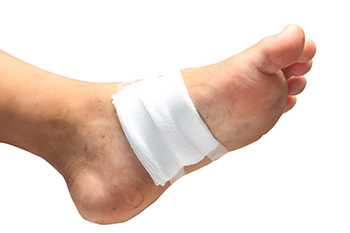
Foot ulcers are a serious concern, especially for the elderly and individuals with conditions such as diabetes that can impair circulation, leading to complications in wound healing. These ulcers come in various forms, with diabetic foot ulcers and neuropathic ulcers, arising from a lack of sensation in the feet, being particularly common. The proper management of these wounds is critical, and it begins with an accurate diagnosis by a qualified podiatrist, who can identify the specific type of ulcer and the best course of treatment. Treatment often involves the use of specialized dressings designed to cater to the specific needs of the wound, aiding in healing and preventing infection. Compression bandages may also be part of the treatment regimen, particularly for ulcers caused by poor venous circulation, which can help to reduce swelling and promote blood flow. For those experiencing recurrent foot ulcers, it is strongly suggested that you make an appointment with a podiatrist for ongoing care. Regular check-ups with a podiatrist can not only address current ulcers but also provide valuable education on foot care, in addition to providing preventive measures to reduce the risk of future foot wounds and ulcers.
Wound care is an important part in dealing with diabetes. If you have diabetes and a foot wound or would like more information about wound care for diabetics, consult with one of our podiatrists from Boca Raton Podiatry . Our doctors will assess your condition and provide you with quality foot and ankle treatment.
What Is Wound Care?
Wound care is the practice of taking proper care of a wound. This can range from the smallest to the largest of wounds. While everyone can benefit from proper wound care, it is much more important for diabetics. Diabetics often suffer from poor blood circulation which causes wounds to heal much slower than they would in a non-diabetic.
What Is the Importance of Wound Care?
While it may not seem apparent with small ulcers on the foot, for diabetics, any size ulcer can become infected. Diabetics often also suffer from neuropathy, or nerve loss. This means they might not even feel when they have an ulcer on their foot. If the wound becomes severely infected, amputation may be necessary. Therefore, it is of the upmost importance to properly care for any and all foot wounds.
How to Care for Wounds
The best way to care for foot wounds is to prevent them. For diabetics, this means daily inspections of the feet for any signs of abnormalities or ulcers. It is also recommended to see a podiatrist several times a year for a foot inspection. If you do have an ulcer, run the wound under water to clear dirt from the wound; then apply antibiotic ointment to the wound and cover with a bandage. Bandages should be changed daily and keeping pressure off the wound is smart. It is advised to see a podiatrist, who can keep an eye on it.
If you have any questions, please feel free to contact our office located in Boca Raton, FL . We offer the newest diagnostic and treatment technologies for all your foot care needs.
Tuesday, 26 December 2023 00:00
Do Your Child's Feet Hurt?

Have your child's feet been examined lately? Healthy feet are happy feet. If your child is complaining of foot pain, it may be a sign of underlying problems.
Tuesday, 19 December 2023 00:00
Rheumatoid Arthritis and the Feet
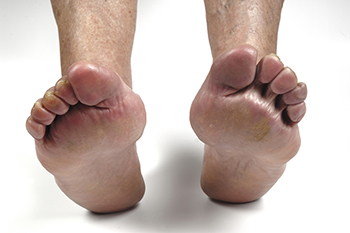
Rheumatoid arthritis, also known as RA, is a disease that causes pain and problems in joints and other areas of the body. One common area it affects is the feet. When someone has RA, their feet can hurt, and they may have trouble moving them. RA can cause the joints to swell, and they may become damaged over time. In the beginning, the signs of RA can mimic a host of other joint problems. Getting RA diagnosed quickly is important, as treating it early can help prevent joint damage and make the disease easier to control. If you have pain in your foot or ankle joints, it is strongly suggested that you visit a podiatrist to have an evaluation, a proper diagnosis, and correct treatment started.
Because RA affects more than just your joints, including the joints in your feet and ankles, it is important to seek early diagnosis from your podiatrist if you feel like the pain in your feet might be caused by RA. For more information, contact one of our podiatrists of Boca Raton Podiatry . Our doctors will assist you with all of your podiatric concerns.
What Is Rheumatoid Arthritis?
Rheumatoid Arthritis (RA) is an autoimmune disorder in which the body’s own immune system attacks the membranes surrounding the joints. Inflammation of the lining and eventually the destruction of the joint’s cartilage and bone occur, causing severe pain and immobility.
Rheumatoid Arthritis of the Feet
Although RA usually attacks multiple bones and joints throughout the entire body, almost 90 percent of cases result in pain in the foot or ankle area.
Symptoms
- Swelling and pain in the feet
- Stiffness in the feet
- Pain on the ball or sole of feet
- Joint shift and deformation
Diagnosis
Quick diagnosis of RA in the feet is important so that the podiatrist can treat the area effectively. Your doctor will ask you about your medical history, occupation, and lifestyle to determine the origin of the condition. Rheumatoid Factor tests help to determine if someone is affected by the disease.
If you have any questions please feel free to contact our office located in Boca Raton, FL . We offer the newest diagnostic and treatment technologies for all your foot and ankle needs.
Tuesday, 12 December 2023 00:00
Factors in Choosing Walking Shoes

Choosing the right walking shoes is essential for ensuring a comfortable and enjoyable walking experience. To find the perfect pair of walking shoes, start by determining where you plan to walk, whether it involves avid treks or easy strolls with your dogs on a short woodland path. Prioritize comfort, looking for shoes with a cushioned heel collar, insole, and midsole to maximize comfort during every step. Additionally, opt for shoes that provide flexibility, allowing your toes to move naturally and ensuring a smooth and steady walking motion. Consider the materials used in the shoes. Synthetic materials, often lighter in weight, provide durability without compromising performance during long walks. If you have wide feet, choose shoes with a larger toe box to prevent discomfort and allow ample room for natural toe movement. Check for sufficient arch support in the midsole to protect and support your feet during walks. Choose lightweight shoes to avoid fatigue and enhance endurance during long walks. Lastly, evaluate whether you need waterproof materials based on expected weather conditions. If you need help in navigating the various factors involved in selecting the right walking shoe, it is suggested that you schedule an appointment with a podiatrist for a gait analysis, foot exam, and expert advice.
It is important to find shoes that fit you properly in order to avoid a variety of different foot problems. For more information about treatment, contact one of our podiatrists from Boca Raton Podiatry . Our doctors will treat your foot and ankle needs.
Proper Shoe Fitting
Shoes have many different functions. They cushion our body weight, protect our feet, and allow us to safely play sports. You should always make sure that the shoes you wear fit you properly in order to avoid injuries and deformities such as: bunions, corns, calluses, hammertoes, plantar fasciitis, stress fractures, and more. It is important to note that although a certain pair of shoes might be a great fit for someone else, that doesn’t mean they will be a great fit for you. This is why you should always try on shoes before buying them to make sure they are worth the investment. Typically, shoes need to be replaced ever six months to one year of regular use.
Tips for Proper Shoe Fitting
- Select a shoe that is shaped like your foot
- Don’t buy shoes that fit too tight, expecting them to stretch to fit
- Make sure there is enough space (3/8” to ½”) for your longest toe at the end of each shoe when you are standing up
- Walk in the shoes to make sure they fit and feel right
- Don’t select shoes by the size marked inside the shoe, but by how the shoe fits your foot
The shoes you buy should always feel as good as they look. Shoes that fit properly will last longer, feel better, and improve your way of life each day.
If you have any questions, please feel free to contact our office located in Boca Raton, FL . We offer the newest diagnostic and treatment technologies for all your foot care needs.
Tuesday, 05 December 2023 00:00
Can Overpronation Be Corrected?
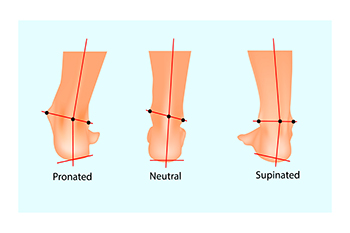
Overpronation, a common foot condition involving excessive inward rolling, requires careful attention to alleviate symptoms and prevent complications. The primary approach to overpronation involves adopting supportive footwear, which may include specialized shoes to minimize excessive movement and provide stability in the heel and midfoot. For those with moderate to severe overpronation, custom orthotics, tailored to the individual's foot shape, provide personalized assistance in reducing overpronation. Targeted exercises are believed to help in correcting overpronation. The short-foot exercise, involving lifting the arch of the foot off the ground, is particularly beneficial in addressing overpronation. In rare cases of severe overpronation, surgical intervention may be necessary. Reconstruction surgery aims to realign bones, providing better arch support, and may involve the use of stabilizing metal implants. If overpronation affects your well-being, it is suggested that you make an appointment with a podiatrist for a gait analysis, examination, and a treatment plan targeted to your particular condition.
If you have any concerns about your feet, contact one of our podiatrists from Boca Raton Podiatry . Our doctors can provide the care you need to keep you pain-free and on your feet.
Biomechanics in Podiatry
Podiatric biomechanics is a particular sector of specialty podiatry with licensed practitioners who are trained to diagnose and treat conditions affecting the foot, ankle and lower leg. Biomechanics deals with the forces that act against the body, causing an interference with the biological structures. It focuses on the movement of the ankle, the foot and the forces that interact with them.
A History of Biomechanics
- Biomechanics dates back to the BC era in Egypt where evidence of professional foot care has been recorded.
- In 1974, biomechanics gained a higher profile from the studies of Merton Root, who claimed that by changing or controlling the forces between the ankle and the foot, corrections or conditions could be implemented to gain strength and coordination in the area.
Modern technological improvements are based on past theories and therapeutic processes that provide a better understanding of podiatric concepts for biomechanics. Computers can provide accurate information about the forces and patterns of the feet and lower legs.
Understanding biomechanics of the feet can help improve and eliminate pain, stopping further stress to the foot.
If you have any questions please feel free to contact our office located in Boca Raton, FL . We offer the newest diagnostic and treatment technologies for all your foot and ankle needs.
