Connect With Us
Blog
Items filtered by date: January 2024
Tuesday, 30 January 2024 00:00
Causes of Bunions
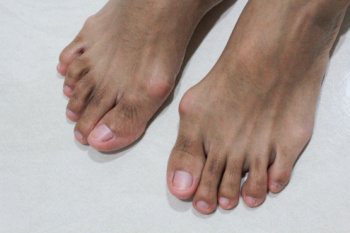
Bunions are bony protrusions that form at the base of the big toe that can become painful and lead to discomfort while walking. Several factors contribute to the development of bunions. One of the most significant causes of bunions is genetics. If bunions run in your family, you are more likely to develop them. Wearing tight, narrow, or high-heeled shoes can force the toes into an unnatural position, increasing the risk of bunions. This type of footwear can squeeze the toes and push them out of alignment over time. Additionally, certain foot shapes and structures can predispose individuals to bunions. People with flat feet or low arches may be more susceptible. Conditions such as rheumatoid arthritis can cause inflammation in the joints of the foot, potentially leading to the formation of bunions. Foot injuries or trauma can disrupt the normal alignment of the toes, promoting bunion development. Occupations that require prolonged standing or walking can increase the pressure on the toes, increasing the likelihood of bunions. Lastly, bunions tend to develop more frequently as individuals age and wear and tear on the joints accumulate over time. If you have a bunion that is causing you discomfort, it is suggested that you schedule an appointment with a podiatrist who can talk to you about treatments that are right for you.
If you are suffering from bunions, contact one of our podiatrists of Boca Raton Podiatry . Our doctors can provide the care you need to keep you pain-free and on your feet.
What Is a Bunion?
A bunion is formed of swollen tissue or an enlargement of boney growth, usually located at the base joint of the toe that connects to the foot. The swelling occurs due to the bones in the big toe shifting inward, which impacts the other toes of the foot. This causes the area around the base of the big toe to become inflamed and painful.
Why Do Bunions Form?
Genetics – Susceptibility to bunions are often hereditary
Stress on the feet – Poorly fitted and uncomfortable footwear that places stress on feet, such as heels, can worsen existing bunions
How Are Bunions Diagnosed?
Doctors often perform two tests – blood tests and x-rays – when trying to diagnose bunions, especially in the early stages of development. Blood tests help determine if the foot pain is being caused by something else, such as arthritis, while x-rays provide a clear picture of your bone structure to your doctor.
How Are Bunions Treated?
- Refrain from wearing heels or similar shoes that cause discomfort
- Select wider shoes that can provide more comfort and reduce pain
- Anti-inflammatory and pain management drugs
- Orthotics or foot inserts
- Surgery
If you have any questions, please feel free to contact our office located in Boca Raton, FL . We offer the newest diagnostic and treatment technologies for all your foot care needs.
Thursday, 25 January 2024 00:00
Do You Suffer From Painful Feet?

Painful deformities, such as hammertoes, can be treated. Stop living with foot pain, and have beautiful feet again!
Tuesday, 23 January 2024 00:00
Long Term Ankle Sprain Treatment

Ankle sprains are a common foot injury, affecting approximately 25,000 people daily. They demand swift and accurate treatment to avoid prolonged recovery times. The emphasis is to heal the injured ankle as well as reduce the risk of chronic sprains. Ankle sprains occur when ligaments on the outer side of the joint are stretched or torn due to the inward or outward rolling of the foot. These are known as inversion or eversion sprains. Adequate rest and rehabilitation during the early recovery phase is essential and can range from days to months, based on severity. Complete healing lays the foundation for preventing long term issues. Engaging in targeted exercises to strengthen legs, feet, and ankles is essential for restoring balance and normal function to the tendons, joints, and muscles of the ankle. Further, wearing ankle braces or bandages during activities that stress ligaments can help to protect and stabilize the ankle. Choosing well-fitted, activity-specific footwear is equally important, with considerations for high-top or hiking boots during the recovery phase for enhanced ankle stability. In severe cases, surgical intervention may be recommended to repair torn or stretched ligaments. For help with managing ankle sprains, it is suggested that you schedule an appointment with a podiatrist.
Ankle sprains are common but need immediate attention. If you need your feet checked, contact one of our podiatrists from Boca Raton Podiatry . Our doctors can provide the care you need to keep you pain-free and on your feet.
How Does an Ankle Sprain Occur?
Ankle sprains take place when the ligaments in your ankle are torn or stretched beyond their limits. There are multiple ways that the ankle can become injured, including twisting or rolling over onto your ankle, putting undue stress on it, or causing trauma to the ankle itself.
What Are the Symptoms?
- Mild to moderate bruising
- Limited mobility
- Swelling
- Discoloration of the skin (depending on severity)
Preventing a Sprain
- Wearing appropriate shoes for the occasion
- Stretching before exercises and sports
- Knowing your limits
Treatment of a Sprain
Treatment of a sprain depends on the severity. Many times, people are told to rest and remain off their feet completely, while others are given an air cast. If the sprain is very severe, surgery may be required.
If you have suffered an ankle sprain previously, you may want to consider additional support such as a brace and regular exercises to strengthen the ankle.
If you have any questions please feel free to contact our office located in Boca Raton, FL . We offer the newest diagnostic and treatment technologies for all your foot and ankle needs.
Tuesday, 16 January 2024 00:00
Exploring Causes of Foot Pain

Foot pain, a common grievance that can significantly impede daily activities, can stem from various sources. One prevalent cause is improper footwear, as shoes that lack proper support or are too tight can lead to discomfort and pain. Overuse or strain, often the result of prolonged standing or excessive physical activity, can stress the muscles and joints in the feet. Conditions such as plantar fasciitis, characterized by inflammation of the tissue connecting the heel bone to the toes, contribute to persistent heel pain. Arthritis, affecting the joints, can also manifest as foot pain, particularly in the elderly. Additionally, injuries, nerve issues, or underlying medical conditions may contribute to discomfort. Identifying the root cause of foot pain is essential for targeted intervention. If you have any type of foot pain, it is strongly suggested that you consult a podiatrist who can determine the cause and offer appropriate treatment solutions.
Foot Pain
Foot pain can be extremely painful and debilitating. If you have a foot pain, consult with one of our podiatrists from Boca Raton Podiatry . Our doctors will assess your condition and provide you with quality foot and ankle treatment.
Causes
Foot pain is a very broad condition that could be caused by one or more ailments. The most common include:
- Bunions
- Hammertoes
- Plantar Fasciitis
- Bone Spurs
- Corns
- Tarsal Tunnel Syndrome
- Ingrown Toenails
- Arthritis (such as Gout, Rheumatoid, and Osteoarthritis)
- Flat Feet
- Injury (from stress fractures, broken toe, foot, ankle, Achilles tendon ruptures, and sprains)
- And more
Diagnosis
To figure out the cause of foot pain, podiatrists utilize several different methods. This can range from simple visual inspections and sensation tests to X-rays and MRI scans. Prior medical history, family medical history, and any recent physical traumatic events will all be taken into consideration for a proper diagnosis.
Treatment
Treatment depends upon the cause of the foot pain. Whether it is resting, staying off the foot, or having surgery; podiatrists have a number of treatment options available for foot pain.
If you have any questions, please feel free to contact our office located in Boca Raton, FL . We offer the newest diagnostic and treatment technologies for all your foot care needs.
Tuesday, 09 January 2024 00:00
Essential Foot Stretches for Improved Flexibility and Comfort

Maintaining optimal foot health is critical for overall well-being, and incorporating regular foot stretches into your routine can make a significant difference. Start with a toe stretch by sitting back on your heels, gently pressing each toe into the floor. The plantar fascia stretch involves extending your toes up against a wall, providing relief to the bottom of your feet. A simple seated ankle stretch can be achieved by rotating your ankles clockwise and counterclockwise, promoting flexibility. The calf stretch, done by leaning against a wall with one foot forward and the other back, targets the calf muscles and Achilles tendon. Lastly, the towel stretch involves sitting with your legs extended, wrapping a towel around your toes, and gently pulling it towards you, stretching the muscles along the bottom of your feet. Incorporating these five foot stretches into your daily routine can enhance flexibility, alleviate tension, and contribute to overall foot comfort. If you are seeking additional information about effective foot stretches, it is suggested that you visit a podiatrist.
Stretching the feet is a great way to prevent injuries. If you have any concerns with your feet consult with one of our podiatrists from Boca Raton Podiatry . Our doctors will assess your condition and provide you with quality foot and ankle treatment.
Stretching the Feet
Stretching the muscles in the foot is an important part in any physical activity. Feet that are tight can lead to less flexibility and make you more prone to injury. One of the most common forms of foot pain, plantar fasciitis, can be stretched out to help ease the pain. Stretching can not only ease pain from plantar fasciitis but also prevent it as well. However, it is important to see a podiatrist first if stretching is right for you. Podiatrists can also recommend other ways to stretch your feet. Once you know whether stretching is right for you, here are some excellent stretches you can do.
- Using a foam roller or any cylindrical object (a water bottle or soda can will do), roll the object under your foot back and forth. You should also exert pressure on the object. Be sure to do this to both feet for a minute. Do this exercise three times each.
- Similar to the previous one, take a ball, such as a tennis ball, and roll it under your foot while seated and exert pressure on it.
- Grab a resistance band or towel and take a seat. If you are using a towel, fold it length wise. Next put either one between the ball of your foot and heel and pull with both hands on each side towards you. Hold this for 15 seconds and then switch feet. Do this three times for each foot.
- Finally hold your big toe while crossing one leg over the other. Pull the toe towards you and hold for 15 seconds. Once again do this three times per foot.
It is best to go easy when first stretching your foot and work your way up. If your foot starts hurting, stop exercising and ice and rest the foot. It is advised to then see a podiatrist for help.
If you have any questions, please feel free to contact our office located in Boca Raton, FL . We offer the newest diagnostic and treatment technologies for all your foot care needs.
Tuesday, 02 January 2024 00:00
Common Reasons Behind Swollen Feet

Swollen feet, a prevalent concern affecting individuals across various age groups, often stems from a multitude of factors. Prolonged periods of standing or sitting can impede proper blood circulation, leading to fluid retention and subsequent swelling. Ankle injuries, such as sprains or strains, may result in localized swelling as the body initiates its natural healing response. Additionally, certain medical conditions, like venous insufficiency or deep vein thrombosis, can disrupt blood flow, contributing to swelling in the lower extremities. Pregnancy induces hormonal changes and increased blood volume, causing fluid buildup and swelling in the feet and ankles. Inflammatory conditions such as arthritis may also exacerbate swelling. Lifestyle factors, including a diet high in sodium, can contribute to fluid retention. If you are experiencing swollen feet, it is suggested that you speak with a podiatrist who can determine what the cause is, and offer appropriate treatment measures.
Swollen feet can be a sign of an underlying condition. If you have any concerns, contact one of our podiatrists of Boca Raton Podiatry . Our doctors can provide the care you need to keep you pain-free and on your feet.
Swollen feet are a common ailment among pregnant women and people who stand or sit for extended periods. Aging may increase the possibility of swollen feet and patients who are obese often notice when their feet are swelling too. There may be medical reasons why swollen feet occur:
- Phlebitis - A condition that causes the veins to become inflamed and can also cause leg pain.
- Liver disease - This may lead to low blood levels of albumin which is a protein. This can cause fluid in the blood to pass into the tissues and several areas of the body can become swollen.
- Heart failure - When the heart doesn’t pump properly the blood that is normally pumped back to the heart can pool in the veins of the legs causing swollen feet.
- Kidney disease - One of the main functions of the kidneys is releasing excess fluid in the body. This type of condition can make it difficult for the kidneys to function properly, and as a result the feet may become swollen.
- Deep-vein thrombosis (DVT)- This is a serious condition where blood clots form in the veins of the legs. They can block the return of blood from the legs to the heart which may cause the feet to swell. It is important to be treated by a podiatrist if this condition is present.
Swollen feet can also be caused by bone and tendon conditions, including fractures, arthritis, and tendinitis. Additionally, there may be skin and toenail conditions and an infection may cause the feet to swell. Patients who take medicine to treat high blood pressure may be prone to getting swollen feet.
Many patients elevate their feet to help relieve the swelling and this is generally a temporary remedy. When a podiatrist is consulted the reason behind the swelling can be uncovered and subsequently treated.
If you have any questions please feel free to contact our office located in Boca Raton, FL . We offer the newest diagnostic tools and technology to treat your foot and ankle needs.
