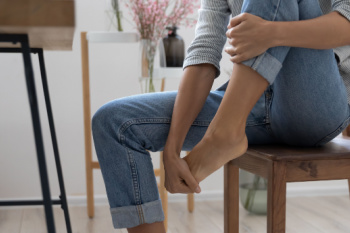
How to Prevent Falls at Home

Falls in the home are a common concern, especially for older adults, and can result from poor balance, muscle weakness, foot pain, or environmental hazards. Cluttered walkways, loose rugs, and slippery bathroom surfaces often increase the risk of injury. Preventing falls begins with keeping living spaces clear and well organized, installing grab bars in the bathroom for added stability, using slip resistant bath mats, and refraining from using a ladder without proper support. Wearing supportive footwear indoors can also improve balance. A podiatrist can assess foot health, address pain or instability, and recommend supportive devices to enhance safety. If you have injured your foot or ankle from falling, it is suggested that you consult a podiatrist who can treat various foot conditions, and guide you on additional fall prevention techniques.

Preventing falls among the elderly is very important. If you are older and have fallen or fear that you are prone to falling, consult with one of our podiatrists from Boca Raton Podiatry . Our doctors will assess your condition and provide you with quality advice and care.

Every 11 seconds, an elderly American is being treated in an emergency room for a fall related injury. Falls are the leading cause of head and hip injuries for those 65 and older. Due to decreases in strength, balance, senses, and lack of awareness, elderly persons are very susceptible to falling. Thankfully, there are a number of things older persons can do to prevent falls.

How to Prevent Falls

Some effective methods that older persons can do to prevent falls include:

  • Enrolling in strength and balance exercise program to increase balance and strength
  • Periodically having your sight and hearing checked
  • Discuss any medications you have with a doctor to see if it increases the risk of falling
  • Clearing the house of falling hazards and installing devices like grab bars and railings
  • Utilizing a walker or cane
  • Wearing shoes that provide good support and cushioning
  • Talking to family members about falling and increasing awareness

Falling can be a traumatic and embarrassing experience for elderly persons; this can make them less willing to leave the house, and less willing to talk to someone about their fears of falling. Doing such things, however, will increase the likelihood of tripping or losing one’s balance. Knowing the causes of falling and how to prevent them is the best way to mitigate the risk of serious injury.  

If you have any questions, please feel free to contact our office located in Boca Raton, FL . We offer the newest diagnostic and treatment technologies for all your foot care needs.

Read more about Falls Prevention

Risk Factors for Achilles Tendon Tears

Achilles tendon tears are among the most frequent tendon injuries. They often occur suddenly during physical activity that involves rapid pushing off, jumping, or changing direction. Risk is higher in active middle-aged men, particularly during sports like basketball, though non-sport-related tears are more common in older people. A history of ongoing Achilles tendon pain or degeneration increases vulnerability, as does advancing age, which can reduce tendon strength and flexibility. Certain medical conditions, including diabetes, inflammatory joint disease, and metabolic disorders, may weaken the tendon over time. Some medications, such as specific antibiotics or long-term corticosteroids, have also been linked to a higher risk. Tears typically cause sudden pain, swelling, and difficulty pushing off the foot. A podiatrist can assess symptoms, perform clinical testing, confirm the diagnosis, and guide appropriate treatment to restore strength and function. If you believe you have torn your Achilles tendon, it is suggested that you make an appointment with a podiatrist for help.

Achilles tendon injuries need immediate attention to avoid future complications. If you have any concerns, contact one of our podiatrists of Boca Raton Podiatry . Our doctors can provide the care you need to keep you pain-free and on your feet.

What Is the Achilles Tendon?

The Achilles tendon is a tendon that connects the lower leg muscles and calf to the heel of the foot. It is the strongest tendon in the human body and is essential for making movement possible. Because this tendon is such an integral part of the body, any injuries to it can create immense difficulties and should immediately be presented to a doctor.

What Are the Symptoms of an Achilles Tendon Injury?

There are various types of injuries that can affect the Achilles tendon. The two most common injuries are Achilles tendinitis and ruptures of the tendon.

Achilles Tendinitis Symptoms

  • Inflammation
  • Dull to severe pain
  • Increased blood flow to the tendon
  • Thickening of the tendon

Rupture Symptoms

  • Extreme pain and swelling in the foot
  • Total immobility

Treatment and Prevention

Achilles tendon injuries are diagnosed by a thorough physical evaluation, which can include an MRI. Treatment involves rest, physical therapy, and in some cases, surgery. However, various preventative measures can be taken to avoid these injuries, such as:

  • Thorough stretching of the tendon before and after exercise
  • Strengthening exercises like calf raises, squats, leg curls, leg extensions, leg raises, lunges, and leg presses

If you have any questions please feel free to contact our office located in Boca Raton, FL . We offer the newest diagnostic tools and technology to treat your foot and ankle needs.

Read more about What are Achilles Tendon Injuries

Why Live with Pain and Numbness in Your Feet?

Suffering from this type of pain? You may have the foot condition known as Morton's neuroma. Morton's neuroma may develop as a result of ill-fitting footwear and existing foot deformities. We can help.

Causes and Symptoms of Ankle Instability

Ankle instability refers to a recurring sense of weakness that makes the ankle feel unreliable during walking or activity. One cause of ankle instability is previous ankle sprains that damaged ligaments on the outer or inner side of the ankle. High arches or flat feet can also alter weight distribution and place added strain on stabilizing tissues. Muscle weakness, poor coordination, or nerve-related conditions may interfere with the body’s ability to respond quickly to uneven surfaces. In some cases, arthritis, scar tissue, or loose joint structures contribute to ongoing instability. A podiatrist can evaluate ankle alignment, ligament integrity, and gait mechanics to determine the underlying cause. Treatment may involve bracing, targeted exercises, footwear guidance, or advanced care to restore stability and reduce the risk of further injury. If it feels like your ankle is "giving way," it is suggested that you make an appointment with a podiatrist for an exam, diagnosis, and treatment.

Ankle pain can be caused by a number of problems and may be potentially serious. If you have ankle pain, consult with one of our podiatrists from Boca Raton Podiatry . Our doctors will assess your condition and provide you with quality foot and ankle treatment.

Ankle pain is any condition that causes pain in the ankle. Due to the fact that the ankle consists of tendons, muscles, bones, and ligaments, ankle pain can come from a number of different conditions.

Causes

The most common causes of ankle pain include:

  • Types of arthritis (rheumatoid, osteoarthritis, and gout)
  • Ankle sprains
  • Broken ankles
  • Achilles tendonitis
  • Achilles tendon rupture
  • Stress fractures
  • Bursitis
  • Tarsal tunnel syndrome
  • Plantar fasciitis

Symptoms

Symptoms of ankle injury vary based upon the condition. Pain may include general pain and discomfort, swelling, aching, redness, bruising, burning or stabbing sensations, and/or loss of sensation.

Diagnosis

Due to the wide variety of potential causes of ankle pain, podiatrists will utilize a number of different methods to properly diagnose ankle pain. This can include asking for personal and family medical histories and of any recent injuries. Further diagnosis may include sensation tests, a physical examination, and potentially x-rays or other imaging tests.

Treatment

Just as the range of causes varies widely, so do treatments. Some more common treatments are rest, ice packs, keeping pressure off the foot, orthotics and braces, medication for inflammation and pain, and surgery.

If you have any questions please feel free to contact our office located in Boca Raton, FL . We offer the newest diagnostic tools and technology to treat your foot and ankle needs.

Read more about Various Causes of Ankle Pain

When Ingrown Toenail Surgery Brings Lasting Relief

Ingrown toenails occur when the edge of the nail grows into surrounding skin, causing pain, swelling, and redness. Conservative care may help early cases, but ongoing infections or repeated flare-ups often require a minor surgical procedure. Ingrown toenail surgery is performed in the office using local anesthesia. The problematic portion of the nail is carefully removed, and the nail root may be treated to prevent regrowth. This approach reduces pain and lowers the chance of recurrence. Recovery is usually quick, with most patients returning to normal activities within days. Keeping the area clean and following aftercare instructions supports proper healing. If an ingrown toenail keeps returning, becomes infected, or interferes with daily comfort, it is suggested that you see a podiatrist for a proper diagnosis and appropriate treatment, which may include minor surgery.

Foot surgery is sometimes necessary to treat a foot ailment. To learn more, contact one of our podiatrists of Boca Raton Podiatry . Our doctors will assist you with all of your foot and ankle needs.

When Is Surgery Necessary?

Foot and ankle surgery is generally reserved for cases in which less invasive, conservative procedures have failed to alleviate the problem. Some of the cases in which surgery may be necessary include:

  • Removing foot deformities like bunions and bone spurs
  • Severe arthritis that has caused bone issues
  • Cosmetic reconstruction

What Types of Surgery Are There?

The type of surgery you receive will depend on the nature of the problem you have. Some of the possible surgeries include:

  • Bunionectomy for painful bunions
  • Surgical fusion for realignment of bones
  • Neuropathy decompression surgery to treat nerve damage

Benefits of Surgery

Although surgery is usually a last resort, it can provide more complete pain relief compared to non-surgical methods and may allow you to finally resume full activity.

Surgical techniques have also become increasingly sophisticated. Techniques like endoscopic surgery allow for smaller incisions and faster recovery times.

If you have any questions, please feel free to contact our office located in Boca Raton, FL . We offer the newest diagnostic and treatment technologies for all your foot care needs.

Read more about Foot and Ankle Surgery

Connect With Us