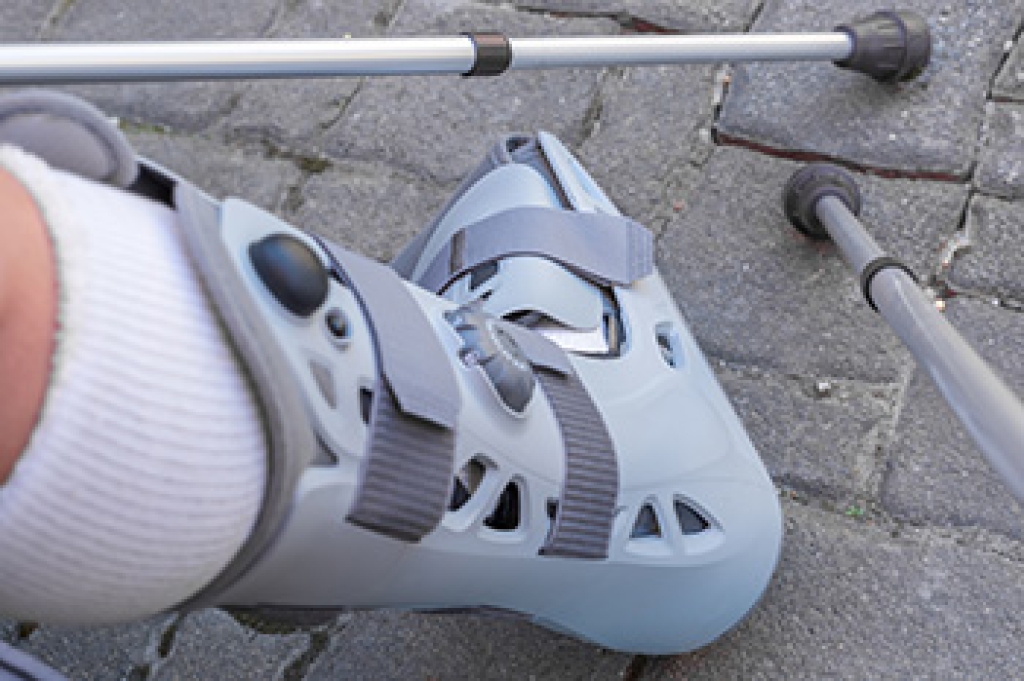
How Off-Loading Devices Help Foot Wounds Heal

A foot wound often needs more than a clean dressing. Each step can pressure damaged skin, slow healing, and deepen the wound. An off-loading device reduces that pressure by shifting weight away from the sore area. A podiatrist can recommend a healing shoe, sandal, or walking boot. A heel-suspension boot is also a choice. Prefabricated sandals and healing shoes differ in their design, materials, and purpose. They can provide better fit, support, and protection than standard choices. However, a ready-made device needs a molded footbed or custom insert to provide proper support and pressure relief.

A podiatrist selects and adjusts the device based on the wound and foot shape. The correct device must fit well and stay in the proper position. A custom insert can have a recessed area under the wound so the sore spot does not bear weight. A metatarsal bar can move pressure away from the front of the foot. A higher boot can give added support to a foot with major shape changes. For a heel wound, a specially cut boot can keep the injured area from touching a bed, chair, or footstool. 

Off-loading works best as one part of professional wound care. A podiatrist can examine the wound, remove unhealthy tissue, and apply an appropriate dressing. Follow-up visits allow the doctor to check healing and adjust the device as swelling or pressure points change. Patients should use the off-loading device exactly as directed, including when walking or resting. A poorly fitted device can rub the skin, shift pressure to a new area, or cause the wound to worsen. Prompt care is especially important if redness, drainage, or swelling develops. Odor can also signal a problem. If you have a foot wound that needs professional care, it is suggested that you consult a podiatrist who can discuss the benefits of off-loading devices with you.

Wound care is an important part in dealing with diabetes. If you have diabetes and a foot wound or would like more information about wound care for diabetics, consult with one of our podiatrists from Boca Raton Podiatry . Our doctors will assess your condition and provide you with quality foot and ankle treatment.

What Is Wound Care?

Wound care is the practice of taking proper care of a wound. This can range from the smallest to the largest of wounds. While everyone can benefit from proper wound care, it is much more important for diabetics. Diabetics often suffer from poor blood circulation which causes wounds to heal much slower than they would in a non-diabetic. 

What Is the Importance of Wound Care?

While it may not seem apparent with small ulcers on the foot, for diabetics, any size ulcer can become infected. Diabetics often also suffer from neuropathy, or nerve loss. This means they might not even feel when they have an ulcer on their foot. If the wound becomes severely infected, amputation may be necessary. Therefore, it is of the upmost importance to properly care for any and all foot wounds.

How to Care for Wounds

The best way to care for foot wounds is to prevent them. For diabetics, this means daily inspections of the feet for any signs of abnormalities or ulcers. It is also recommended to see a podiatrist several times a year for a foot inspection. If you do have an ulcer, run the wound under water to clear dirt from the wound; then apply antibiotic ointment to the wound and cover with a bandage. Bandages should be changed daily and keeping pressure off the wound is smart. It is advised to see a podiatrist, who can keep an eye on it.

If you have any questions please contact our office located in Boca Raton, FL . We offer the newest diagnostic and treatment technologies for all your foot and ankle needs.

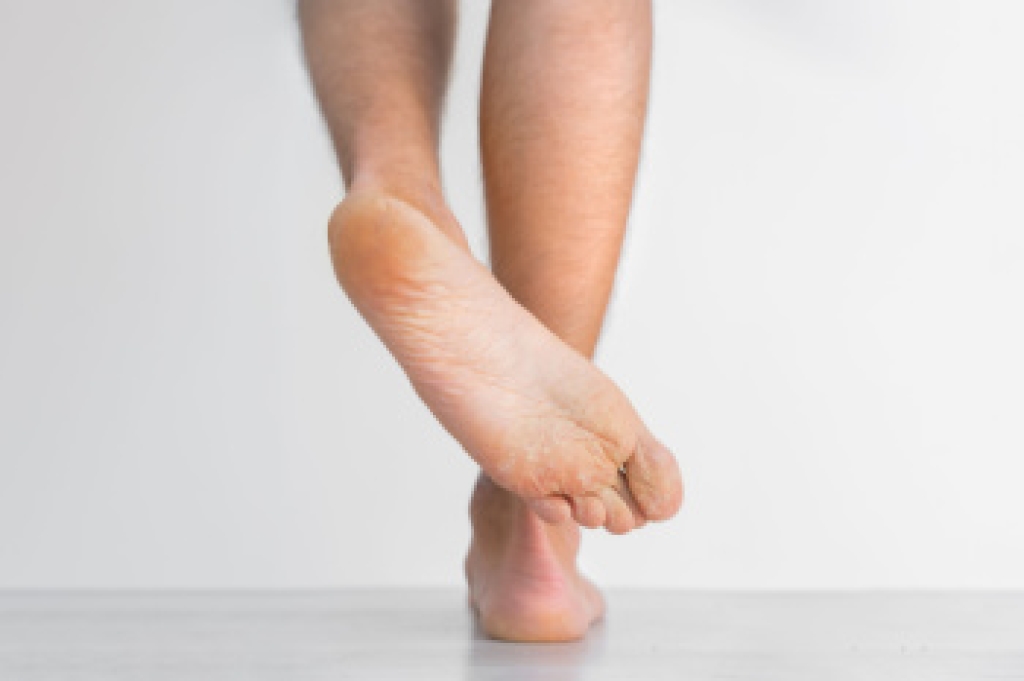
Read more about Wound Care

Reminder: When Was the Last Time...?

Custom orthotics, or shoe inserts, should be periodically replaced. Orthotics must fit properly to give you the best results. Protect your feet and ankles!

Podiatrists Help Stop the Spread of Athlete’s Foot Infections

Athlete’s foot is a fungal infection that usually begins between the toes. The fungus thrives in warm, dark, and damp areas. Symptoms include itching, burning, and peeling skin. The affected area can also become red, scaly, or cracked. Small blisters sometimes develop, and the skin between the toes can appear white and soggy. Without proper treatment, the infection can spread across the foot or reach the toenails. It can also pass to other people through contact with infected skin, shared items, or contaminated floors.

Risk rises when feet remain sweaty inside shoes for long periods. Walking barefoot in shared showers, gyms, or locker rooms also increases exposure. Sharing socks, towels, or shoes can spread the fungus. People with diabetes or a weakened immune system face a greater risk of complications. Cracked skin can allow bacteria to enter and cause a more serious infection. Warning signs include increasing redness, warmth, and swelling. Pain, drainage, or a fever also deserves prompt medical attention. Keeping the feet clean and dry can lower the risk of infection. Patients should change socks regularly and allow shoes to dry before wearing them again. Protective sandals can reduce contact with contaminated floors in shared facilities.

A podiatrist can examine the affected skin and determine whether the problem is athlete’s foot or another condition with similar symptoms. Skin conditions like eczema can resemble a fungal infection, so an accurate diagnosis matters. The podiatrist can create a treatment plan based on the infection’s location and severity. Care can also address infected toenails, damaged skin, or signs of a bacterial infection. Patients with diabetes benefit from prompt evaluation because even a small crack can develop into a serious foot problem. A podiatrist can also explain how to reduce moisture, select breathable shoes, and prevent the infection from returning or spreading. If you have symptoms of athlete's foot, it is suggested that you schedule an appointment with a podiatrist for a diagnosis and appropriate treatment.

Athlete’s foot is an inconvenient condition that can be easily reduced with the proper treatment. If you have any concerns about your feet and ankles, contact one of our podiatrists from Boca Raton Podiatry .  Our doctors will treat your foot and ankle needs.

Athlete’s Foot: The Sole Story

Athlete's foot, also known as tinea pedis, can be an extremely contagious foot infection. It is commonly contracted in public changing areas and bathrooms, dormitory style living quarters, around locker rooms and public swimming pools, or anywhere your feet often come into contact with other people.

Solutions to Combat Athlete’s Foot

  • Hydrate your feet by using lotion
  • Exfoliate
  • Buff off nails
  • Use of anti-fungal products
  • Examine your feet and visit your doctor if any suspicious blisters or cuts develop

Athlete’s foot can cause many irritating symptoms such as dry and flaking skin, itching, and redness. Some more severe symptoms can include bleeding and cracked skin, intense itching and burning, and even pain when walking. In the worst cases, Athlete’s foot can cause blistering as well. Speak to your podiatrist for a better understanding of the different causes of Athlete’s foot, as well as help in determining which treatment options are best for you.

If you have any questions please feel free to contact our office located in Boca Raton, FL . We offer the newest diagnostic and treatment technologies for all your foot and ankle needs.
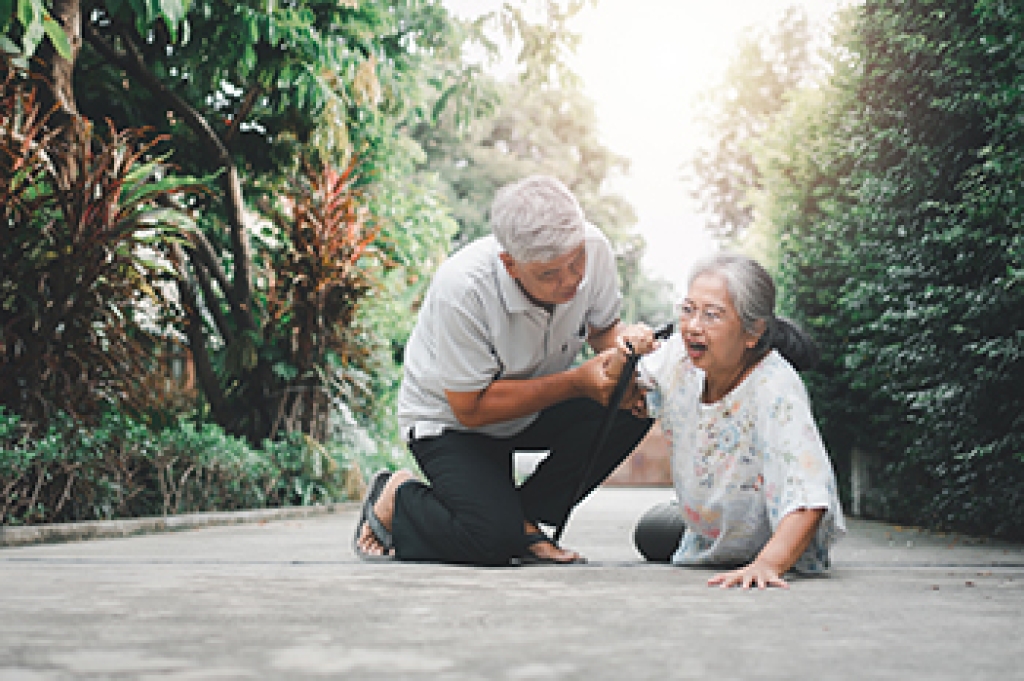
Read more about Athlete’s Foot

Foot Care Helps Seniors Improve Balance and Avoid Falls

Falls can cause serious injuries and reduce a senior’s ability to remain active and independent. Age-related changes in balance, vision, and muscle strength can raise the risk. Foot pain, numbness, and joint stiffness can also make each step less stable. Other concerns include poor circulation, weak ankles, and changes in foot shape. Shoes that lack proper support or do not fit correctly can create further problems. Because many falls are never reported, seniors should discuss balance concerns and recent stumbles with a podiatrist. A fall-risk evaluation can identify problems before a major injury occurs.

A podiatrist can examine the feet and ankles to find issues that affect balance. The examination includes checking skin health, joint movement, and muscle strength. The podiatrist can also assess how the patient stands and walks. This can reveal an uneven gait, which means the feet and legs do not move in a steady pattern. Treatment options include custom orthotics to improve foot position and stability. A podiatrist can recommend shoes with proper support, secure fasteners, and slip-resistant soles. They can also treat painful corns, thick toenails, or other foot problems that make walking difficult.

Falls prevention also requires attention to the places where seniors move each day. Clear pathways, strong stair railings, and good lighting can reduce hazards. Grab bars near the toilet and shower provide added support. Regular eye and hearing examinations can help seniors notice obstacles and respond to their surroundings. Seniors should also report changes in sensation, recurring ankle problems, and difficulty lifting the feet. Routine podiatric visits help track changes in foot health and allow treatment plans to be adjusted. Early care can support safer movement, greater confidence, and continued independence. If you are a senior and have fallen, it is suggested that you schedule an appointment with a podiatrist for effective treatment solutions, and additional guidance on fall prevention tips.

Preventing falls among the elderly is very important. If you are older and have fallen or fear that you are prone to falling, consult with one of our podiatrists from Boca Raton Podiatry . Our doctors will assess your condition and provide you with quality advice and care.

Every 11 seconds, an elderly American is being treated in an emergency room for a fall related injury. Falls are the leading cause of head and hip injuries for those 65 and older. Due to decreases in strength, balance, senses, and lack of awareness, elderly persons are very susceptible to falling. Thankfully, there are a number of things older persons can do to prevent falls.

How to Prevent Falls

Some effective methods that older persons can do to prevent falls include:

  • Enrolling in strength and balance exercise program to increase balance and strength
  • Periodically having your sight and hearing checked
  • Discuss any medications you have with a doctor to see if it increases the risk of falling
  • Clearing the house of falling hazards and installing devices like grab bars and railings
  • Utilizing a walker or cane
  • Wearing shoes that provide good support and cushioning
  • Talking to family members about falling and increasing awareness

Falling can be a traumatic and embarrassing experience for elderly persons; this can make them less willing to leave the house, and less willing to talk to someone about their fears of falling. Doing such things, however, will increase the likelihood of tripping or losing one’s balance. Knowing the causes of falling and how to prevent them is the best way to mitigate the risk of serious injury.  

If you have any questions, please feel free to contact our office located in Boca Raton, FL . We offer the newest diagnostic and treatment technologies for all your foot care needs.

Read more about Falls Prevention

Bunion Surgery and Recovery Insights

A bunion is a bony bump that forms at the base of the big toe when the joint becomes misaligned. This condition develops over time as the big toe shifts toward the other toes, creating pressure and inflammation. Bunion surgery is a procedure performed to correct this deformity and reduce pain when conservative treatments do not provide relief. The definition of bunion surgery includes realigning the bone, ligaments, and tendons to restore proper foot function and reduce discomfort.

Symptoms of a bunion often include a visible bump, swelling, and persistent pain around the joint. Some individuals experience stiffness or difficulty wearing shoes due to pressure on the affected area. Risk factors for bunions include genetics, foot structure, and wearing tight or narrow shoes that crowd the toes. High-heeled footwear may also increase pressure on the front of the foot, worsening the condition. Over time, these factors can lead to joint damage and limited mobility.


Bunion surgery is typically recommended when pain interferes with daily activities or when the deformity continues to worsen. The procedure is performed by making small incisions near the affected joint and correcting the alignment of the bone. In some cases, the surgeon may remove part of the bone or reposition it using small screws or pins. Recovery involves rest, proper footwear, and gradual return to activity. The goal of surgery is to reduce pain, improve alignment, and restore normal foot function.


Understanding the causes and treatment options for bunions can help individuals make informed decisions about their care. Early management with proper footwear and support may slow progression, but advanced cases may require surgical correction. Monitoring symptoms and seeking professional advice can improve long-term outcomes. If you have a bunion and are considering surgery, it is suggested that you consult a podiatrist who can determine if this type of foot surgery is right for you.

Foot surgery is sometimes necessary to treat a foot ailment. To learn more, contact one of our podiatrists of Boca Raton Podiatry . Our doctors will assist you with all of your foot and ankle needs.

When Is Surgery Necessary?

Foot and ankle surgery is generally reserved for cases in which less invasive, conservative procedures have failed to alleviate the problem. Some of the cases in which surgery may be necessary include:

  • Removing foot deformities like bunions and bone spurs
  • Severe arthritis that has caused bone issues
  • Cosmetic reconstruction

What Types of Surgery Are There?

The type of surgery you receive will depend on the nature of the problem you have. Some of the possible surgeries include:

  • Bunionectomy for painful bunions
  • Surgical fusion for realignment of bones
  • Neuropathy decompression surgery to treat nerve damage

Benefits of Surgery

Although surgery is usually a last resort, it can provide more complete pain relief compared to non-surgical methods and may allow you to finally resume full activity.

Surgical techniques have also become increasingly sophisticated. Techniques like endoscopic surgery allow for smaller incisions and faster recovery times.

If you have any questions, please feel free to contact our office located in Boca Raton, FL . We offer the newest diagnostic and treatment technologies for all your foot care needs.

Read more about Foot Surgery

Connect With Us