Why Corns Develop and How They Are Treated

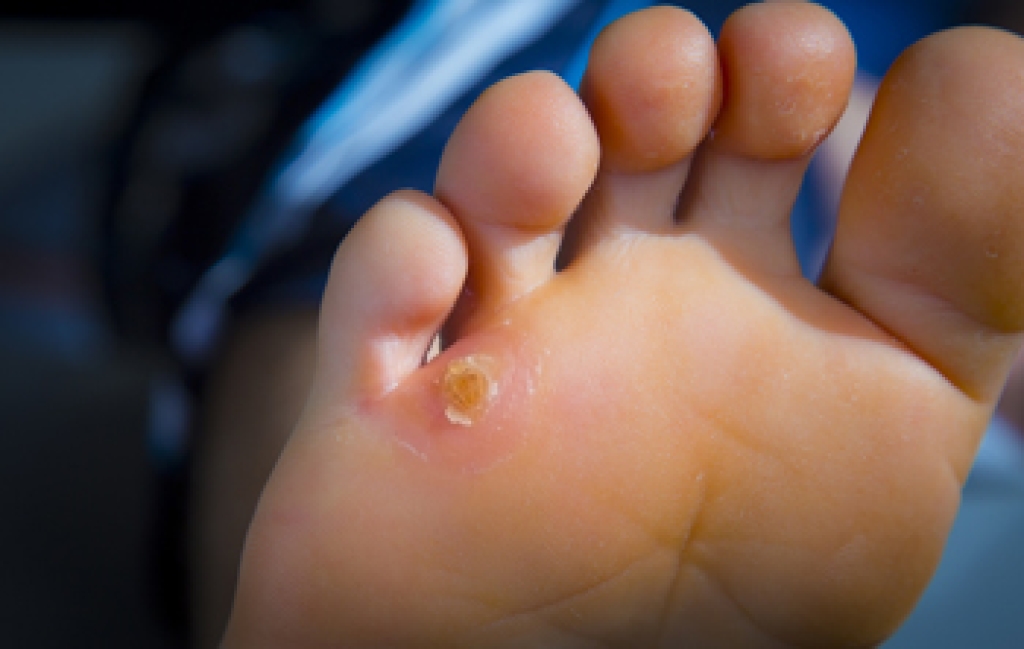
Corns are small, thickened areas of skin that develop when repeated pressure or friction affects the same spot on the foot. Unlike a callus, which usually covers a larger area, a corn is smaller and has a hard center that can press into deeper tissue. This pressure can make standing, wearing shoes, and walking uncomfortable. Corns frequently develop on the tops or sides of the toes, but they can also form on the bottom of the foot. Pain can become more noticeable when shoes press against the affected area. A podiatrist can determine whether the thickened skin is truly a corn or another condition that requires different treatment.

Repeated rubbing and pressure are the main causes of corns. Wearing shoes that do not fit properly can increase friction between the foot and the shoe. Shoes that lack proper support can place extra pressure on certain parts of the foot while walking. Foot problems like bunions or hammertoes can also change the way weight is distributed across the foot, increasing the chance that corns will develop. A podiatrist performs a careful examination to identify the source of the pressure causing the corn. X-rays are sometimes recommended when a structural foot problem is suspected. Identifying the underlying cause helps guide treatment and reduces repeated irritation.

Treatment focuses on relieving pressure and addressing the condition that caused the corn to develop. A podiatrist can safely remove the thickened skin without damaging the healthy tissue beneath it. Custom orthotics can improve foot alignment and reduce pressure on painful areas. Padding can also help protect the skin from continued friction. When a bunion, hammertoe, or another structural problem causes repeated corns, surgery can correct the deformity and reduce future pressure. Early treatment can improve comfort and make daily activities easier while helping protect the skin from further damage. If you have symptoms of corns, it is suggested that you make an appointment with a podiatrist for diagnosis and treatment.

If you have any concerns regarding your feet and ankles, contact one of our podiatrists of Boca Raton Podiatry . Our doctors will treat your foot and ankle needs.

Corns: What Are They? and How Do You Get Rid of Them?
Corns can be described as areas of the skin that have thickened to the point of becoming painful or irritating. They are often layers and layers of the skin that have become dry and rough, and are normally smaller than calluses.

Ways to Prevent Corns
There are many ways to get rid of painful corns such as wearing:

  • Well-fitting socks
  • Comfortable shoes that are not tight around your foot
  • Shoes that offer support

Treating Corns
Treatment of corns involves removing the dead skin that has built up in the specific area of the foot. Consult with Our doctors to determine the best treatment option for your case of corns.

If you have any questions, please feel free to contact our office located in Boca Raton, FL . We offer the newest diagnostic and treatment technologies for all your foot care needs.

Read more about Corns: What Are They, and How Do You Get Rid of Them

When to See a Podiatrist for a Broken Toe

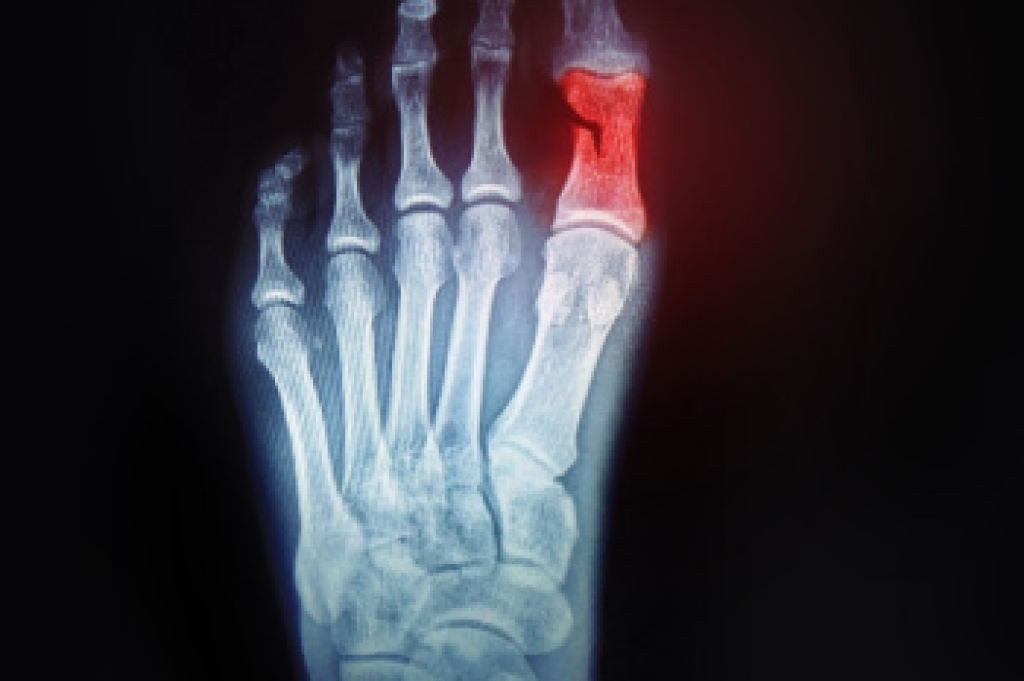
A broken toe can happen in an instant after stubbing your foot or dropping something heavy on it. Even though the injury can be very painful, some people are still able to walk on it. This makes it difficult to know whether a bone is actually broken. A broken toe can cause swelling, bruising, and tenderness. It also causes pain that can get worse while walking or wearing shoes. In some cases, the toe looks crooked or out of place. A more serious injury can leave part of a bone exposed, which requires immediate medical attention. A podiatrist can examine the injured toe and determine with an X-ray whether the damage involves a fracture or a bruise. 

Stubbing a toe against furniture and dropping a heavy object on the foot are leading causes of toe fractures. Sports injuries and falls can also cause a toe to break. Tiny cracks in the bone, called stress fractures, can develop after repeated strain from certain activities, like running. People with weakened bone density have a greater chance of breaking a toe from an injury than someone with stronger bones. Ignoring a broken toe can allow the bones to heal in the wrong position. This can lead to lasting pain, difficulty wearing shoes, and problems with balance while walking.

A podiatrist can provide an exam to determine the type and severity of the injury in order to recommend the best treatment plan. Care includes reviewing symptoms, examining the position of the toe, and ordering X-rays or other imaging. Some broken toes heal with protection and close monitoring, while others require a procedure to restore proper alignment. Surgery is recommended for certain severe fractures. Early diagnosis helps reduce the risk of long-term complications and supports proper healing. If you have broken a toe, it is suggested that you schedule an appointment with a podiatrist for an accurate diagnosis and appropriate treatment.

A broken toe can be very painful and lead to complications if not properly fixed. If you have any concerns about your feet, contact one of our podiatrists from Boca Raton Podiatry . Our doctors will treat your foot and ankle needs.

What to Know About a Broken Toe

Although most people try to avoid foot trauma such as banging, stubbing, or dropping heavy objects on their feet, the unfortunate fact is that it is a common occurrence. Given the fact that toes are positioned in front of the feet, they typically sustain the brunt of such trauma. When trauma occurs to a toe, the result can be a painful break (fracture).

Symptoms of a Broken Toe

  • Throbbing pain
  • Swelling
  • Bruising on the skin and toenail
  • The inability to move the toe
  • Toe appears crooked or disfigured
  • Tingling or numbness in the toe

Generally, it is best to stay off of the injured toe with the affected foot elevated.

Severe toe fractures may be treated with a splint, cast, and in some cases, minor surgery. Due to its position and the pressure it endures with daily activity, future complications can occur if the big toe is not properly treated.

If you have any questions, please feel free to contact our office located in Boca Raton, FL . We offer the newest diagnostic and treatment technologies for all your foot care needs.

Read more about What to Know About a Broken Toe

Causes and Symptoms of Achilles Tendon Injuries

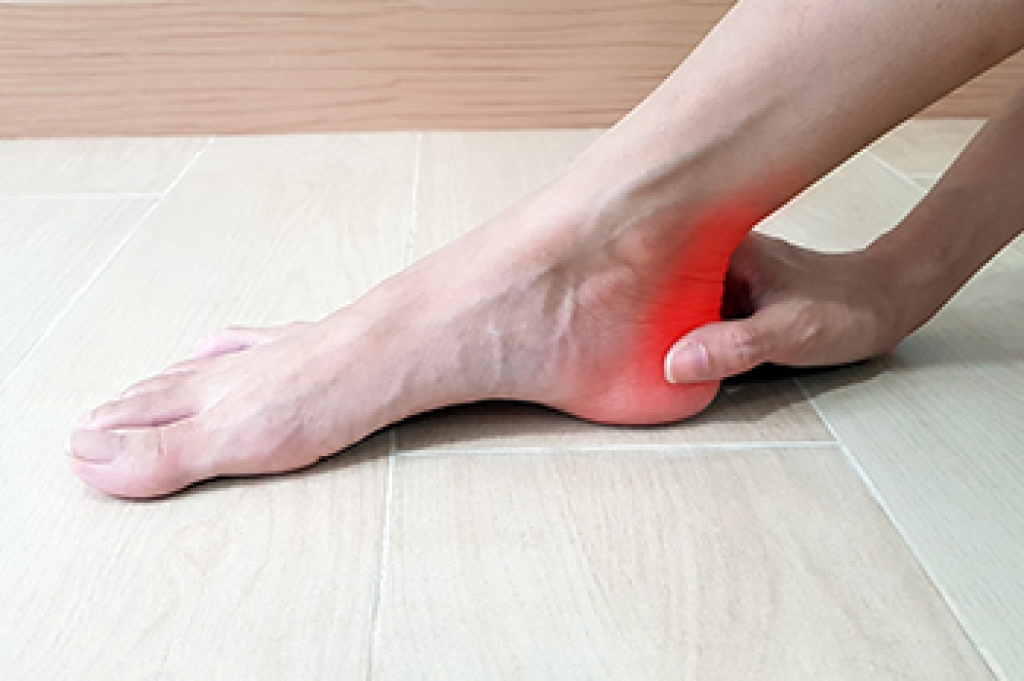
The Achilles tendon is the thick band of tissue that connects the calf muscles to the heel bone. It allows the foot to push off the ground while walking, running, and climbing stairs. An Achilles tendon injury can develop from repeated stress or a sudden movement that places too much force on the tendon. Patients who quickly increase their activity level or wear shoes that lack proper support also have a greater risk of injury. Symptoms include pain above the heel, swelling, stiffness, and tenderness. Some patients notice that the pain becomes worse after activity or while walking. A complete tear can cause a popping sensation followed by severe pain and difficulty standing on the toes. Early evaluation is important because untreated injuries can affect normal foot function.

A podiatrist performs a detailed examination to determine the type and severity of the injury. The evaluation includes checking the tendon for strength, tenderness, and range of motion. The podiatrist also observes how the patient stands and walks. Imaging tests, like ultrasound or MRI scans, provide detailed views of the tendon and help identify inflammation, partial tears, or complete tears. An accurate diagnosis allows the podiatrist to recommend the most appropriate treatment and helps reduce the risk of long-term problems.

Treatment depends on the condition of the tendon and the patient's activity level. A podiatrist develops a treatment plan that protects the injured tendon while restoring strength and flexibility. Care includes custom orthotics to improve foot support and reduce stress on the tendon. It also includes guided stretching and strengthening exercises that improve movement and balance. Patients with severe tendon tears or injuries that do not respond to conservative treatment can benefit from surgery to restore normal function. Regular follow-up visits allow the podiatrist to monitor healing and support a safe return to daily activities. If you have symptoms of Achilles tendon injuries, it is suggested that you schedule an appointment with a podiatrist for diagnosis and treatment.

Achilles tendon injuries need immediate attention to avoid future complications. If you have any concerns, contact one of our podiatrists of Boca Raton Podiatry . Our doctors can provide the care you need to keep you pain-free and on your feet.

What Is the Achilles Tendon?

The Achilles tendon is a tendon that connects the lower leg muscles and calf to the heel of the foot. It is the strongest tendon in the human body and is essential for making movement possible. Because this tendon is such an integral part of the body, any injuries to it can create immense difficulties and should immediately be presented to a doctor.

What Are the Symptoms of an Achilles Tendon Injury?

There are various types of injuries that can affect the Achilles tendon. The two most common injuries are Achilles tendinitis and ruptures of the tendon.

Achilles Tendinitis Symptoms

  • Inflammation
  • Dull to severe pain
  • Increased blood flow to the tendon
  • Thickening of the tendon

Rupture Symptoms

  • Extreme pain and swelling in the foot
  • Total immobility

Treatment and Prevention

Achilles tendon injuries are diagnosed by a thorough physical evaluation, which can include an MRI. Treatment involves rest, physical therapy, and in some cases, surgery. However, various preventative measures can be taken to avoid these injuries, such as:

  • Thorough stretching of the tendon before and after exercise
  • Strengthening exercises like calf raises, squats, leg curls, leg extensions, leg raises, lunges, and leg presses

If you have any questions please feel free to contact our office located in Boca Raton, FL . We offer the newest diagnostic tools and technology to treat your foot and ankle needs.

Read more about The Causes, Types, and Treatments of Achilles Tendon Injuries

Connect With Us