
You don't need an excuse to have beautiful nails. Step outside without worrying about the appearance of your feet.
You don't need an excuse to have beautiful nails. Step outside without worrying about the appearance of your feet.
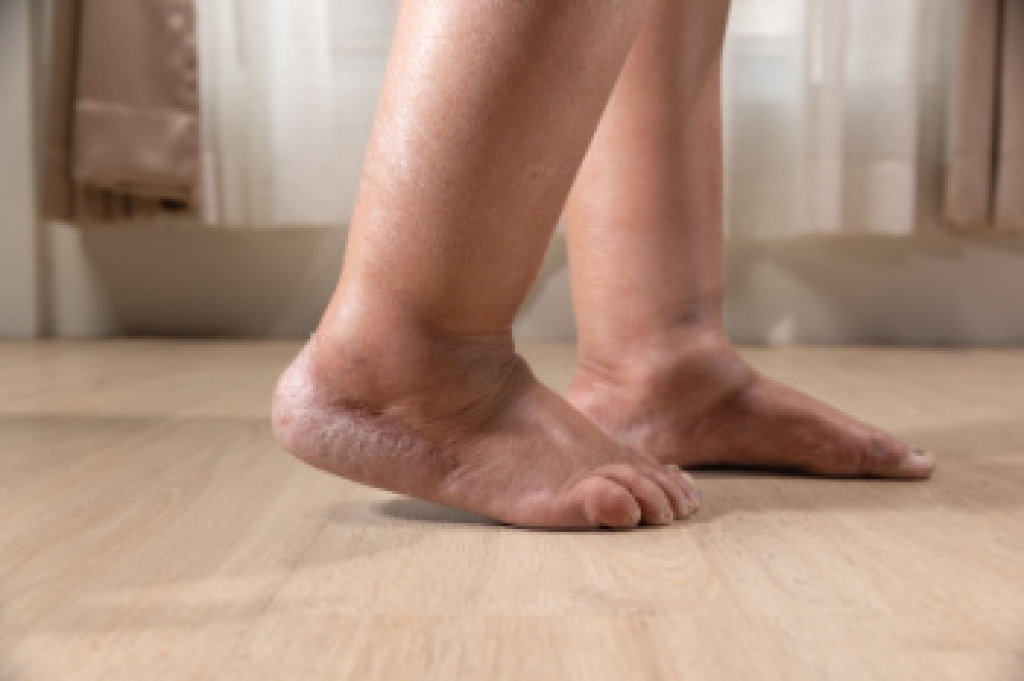
Swollen feet and ankles, also called peripheral edema, occur when extra fluid builds up in the tissues around the lower legs. This common foot and ankle concern can develop after standing for long periods or sitting for hours. Mild swelling may disappear with rest, but persistent swelling can signal an underlying condition that needs attention. Common symptoms include puffiness, tight skin, and difficulty fitting into shoes. The skin may also appear stretched or shiny. Some people notice swelling that becomes worse later in the day.
Several factors can increase the risk of developing swollen feet and ankles. Long periods of standing or sitting may slow normal circulation. Excess body weight can place added stress on the lower extremities. Pregnancy, aging, and certain medications may also contribute to fluid retention. Medical conditions can play a role as well. Heart, kidney, or liver problems may affect how the body manages fluids. Venous insufficiency can also cause blood to pool in the legs. Additionally, a recent injury, infection, or blood clot can produce localized swelling that requires prompt medical attention.
A podiatrist begins by reviewing your symptoms and medical history. A physical examination can help identify tenderness, skin changes, and areas of swelling. Depending on the findings, imaging or other testing may be recommended to identify the underlying cause. Treatment depends on what is causing the swelling. Your podiatrist may recommend supportive footwear, compression strategies, or activity changes, when appropriate. If an infection, injury, or other condition is suspected, treatment will focus on addressing that problem. Follow-up visits can help monitor progress and adjust care.
Knowing the cause of swollen feet and ankles is important because treatment should address more than the visible swelling. Early evaluation may help prevent complications and support comfortable movement. If swelling continues, returns frequently, or affects your daily activities, it is suggested that you consult a podiatrist for effective relief and treatment solutions.
Swollen feet can be a sign of an underlying condition. If you have any concerns, contact one of our podiatrists of Boca Raton Podiatry . Our doctors can provide the care you need to keep you pain-free and on your feet.
Swollen feet are a common ailment among pregnant women and people who stand or sit for extended periods. Aging may increase the possibility of swollen feet and patients who are obese often notice when their feet are swelling too. There may be medical reasons why swollen feet occur:
Swollen feet can also be caused by bone and tendon conditions, including fractures, arthritis, and tendinitis. Additionally, there may be skin and toenail conditions and an infection may cause the feet to swell. Patients who take medicine to treat high blood pressure may be prone to getting swollen feet.
Many patients elevate their feet to help relieve the swelling and this is generally a temporary remedy. When a podiatrist is consulted the reason behind the swelling can be uncovered and subsequently treated.
If you have any questions please contact our office located in Boca Raton, FL . We offer the newest diagnostic and treatment technologies for all your foot and ankle needs.

Heel pain can turn the first steps of the morning or a short walk into an uncomfortable task. Several problems can cause it. Plantar fasciitis involves irritation of the strong band of tissue that runs along the sole and supports the arch. Pain can also come from an irritated Achilles tendon or the cushioning beneath the heel. Running, prolonged standing, and a sudden increase in activity can place extra stress on this area. Foot shape can also affect how pressure reaches the heel.
Shoes play an important role in improving heel comfort, but the right design depends on the cause of the pain. Shoes wear down with use, and replacing an old pair can sometimes reduce symptoms. A firm heel counter, proper arch support, and a stable sole can control unwanted movement. Runners may benefit from cushioning. However, too much padding can allow greater movement and make certain problems worse. Shoes should hold the foot securely. They should bend near the ball of the foot rather than through the middle. People with flat feet or an unusual walking pattern need guidance because a high arch may increase pressure. A podiatrist can examine the feet and shoes to recommend a suitable design.
A podiatrist locates the painful area and checks how the foot moves. The examination can identify poor alignment, limited ankle motion, or an injury requiring imaging tests. Treatment includes shoe recommendations, custom orthotics, or supportive padding. An orthotic is a device placed inside a shoe to improve support and distribute pressure evenly. A podiatrist can also advise patients about safe activity changes and determine when care is appropriate. Prompt evaluation matters when pain is severe, follows an injury, or occurs with swelling. Lasting discomfort should be assessed before it changes the way a person walks and creates strain elsewhere. If you have heel pain after running, it is suggested that you schedule an appointment with a podiatrist for a diagnosis and appropriate treatment.
Many people suffer from bouts of heel pain. For more information, contact one of our podiatrists of Boca Raton Podiatry . Our doctors can provide the care you need to keep you pain-free and on your feet.
Causes of Heel Pain
Heel pain is often associated with plantar fasciitis. The plantar fascia is a band of tissues that extends along the bottom of the foot. A rip or tear in this ligament can cause inflammation of the tissue.
Achilles tendonitis is another cause of heel pain. Inflammation of the Achilles tendon will cause pain from fractures and muscle tearing. Lack of flexibility is also another symptom.
Heel spurs are another cause of pain. When the tissues of the plantar fascia undergo a great deal of stress, it can lead to ligament separation from the heel bone, causing heel spurs.
Why Might Heel Pain Occur?
Treatments
Heel pain should be treated as soon as possible for immediate results. Keeping your feet in a stress-free environment will help. If you suffer from Achilles tendonitis or plantar fasciitis, applying ice will reduce the swelling. Stretching before an exercise like running will help the muscles. Using all these tips will help make heel pain a condition of the past.
If you have any questions, please feel free to contact our office located in Boca Raton, FL . We offer the newest diagnostic and treatment technologies for all your foot care needs.
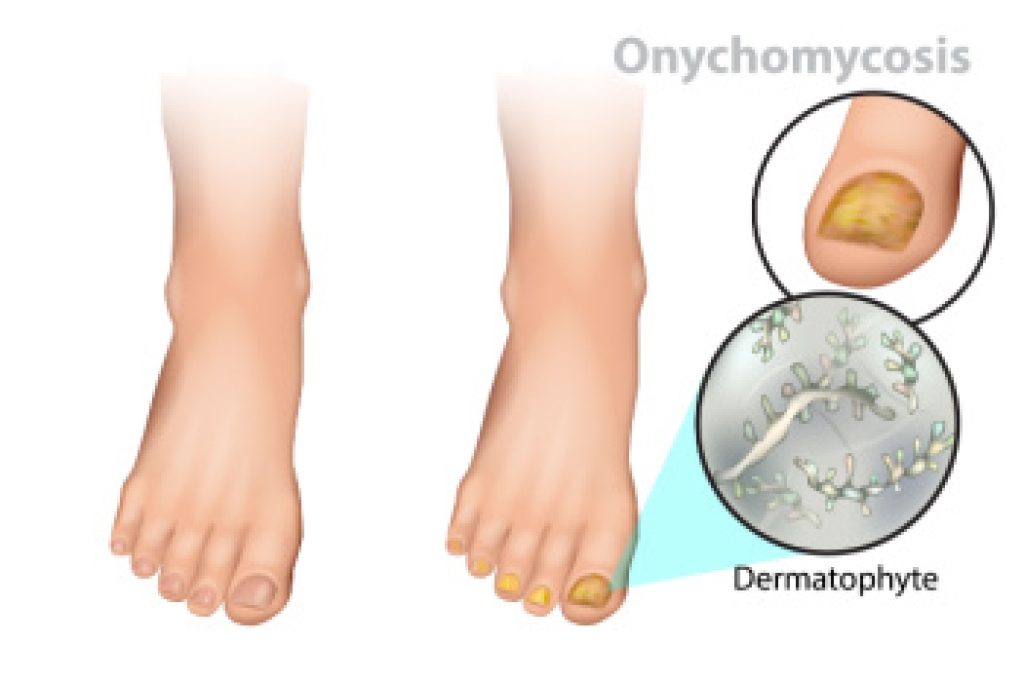
Toenail fungus, also known as mycosis nail fungus or onychomycosis, is a fungal infection that develops in or beneath a toenail. It can begin gradually, making early changes easy to miss. Common symptoms include yellow, white, or brown discoloration, along with nails that become thick, brittle, or separated from the nail bed. Although toenail fungus is usually not dangerous, prompt care can help prevent the infection from becoming more difficult to treat.
There are several types of toenail fungus. Distal subungual infection is the most common and typically begins beneath the nail tip before spreading deeper. White superficial infection affects the nail surface and may cause chalky white patches. Additionally, proximal subungual infection begins near the nail base and gradually moves outward. These infections can develop after exposure to fungi in warm, damp environments. Walking barefoot in shared showers, using contaminated nail-care tools, and wearing sweaty footwear can increase exposure. Risk factors include diabetes, poor circulation, and a weakened immune system.
A podiatrist will examine the affected nail and look for other conditions that may cause similar changes. When needed, a small nail sample can be tested to confirm a fungal infection. Treatment depends on the type and severity of the infection. A podiatrist may recommend prescription topical antifungal medication or oral antifungal medicine. The nail may also be carefully trimmed or thinned to improve medication contact. Keeping feet clean and dry, changing socks regularly, and choosing breathable footwear can support treatment and help reduce recurrence.
Toenail fungus can be unsightly and uncomfortable. If you notice changes in toenail color, thickness, or texture, it is suggested that you consult a podiatrist for effective treatment solutions.
For more information about treatment, contact one of our podiatrists of Boca Raton Podiatry . Our doctors can provide the care you need to keep you pain-free and on your feet.
Toenail Fungus Treatment
Toenail fungus is a condition that affects many people and can be especially hard to get rid of. Fortunately, there are several methods to go about treating and avoiding it.
Antifungals & Deterrence
Oral antifungal medicine has been shown to be effective in many cases. It is important to consult with a podiatrist to determine the proper regiment for you, or potentially explore other options.
Applying foot powder on the feet and shoes helps keep the feet free of moisture and sweat.
Sandals or open toed shoes – Wearing these will allow air movement and help keep feet dry. They also expose your feet to light, which fungus cannot tolerate. Socks with moisture wicking material also help as well.
If you have any questions please contact our office located in Boca Raton, FL . We offer the newest diagnostic and treatment technologies for all your foot and ankle needs.
Connect With Us
