The Painful Reality of Plantar Fasciitis

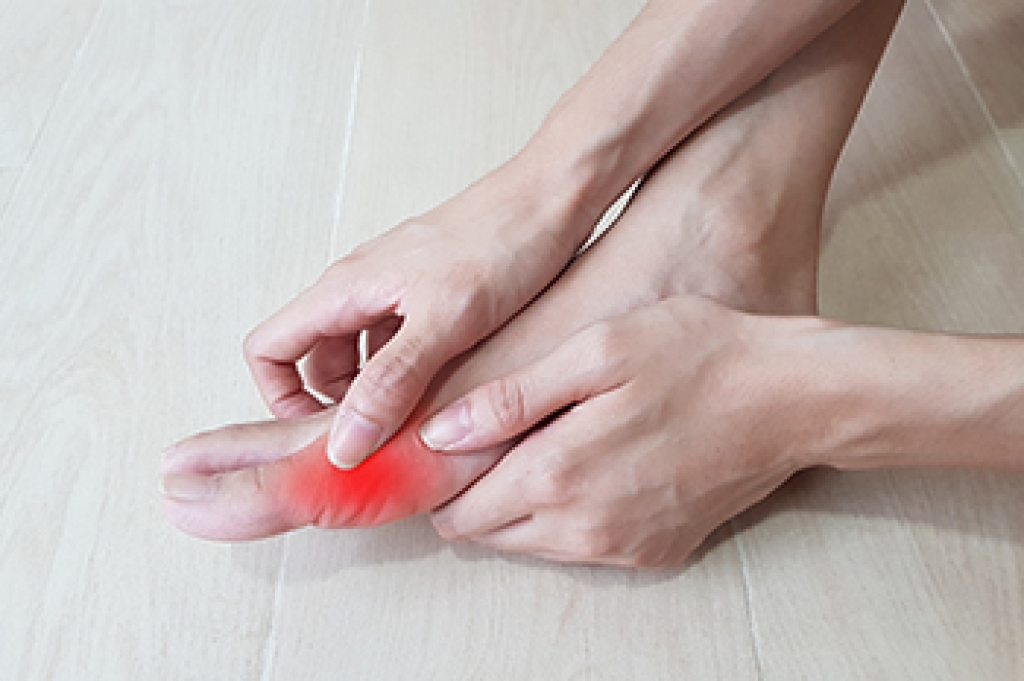
Plantar fasciitis, one of the most common causes of heel pain, can affect anyone. However, it is more frequent in runners, people who are overweight, and those who spend long hours on their feet. It occurs when the plantar fascia, a thick band of tissue that supports the arch of the foot, becomes inflamed due to overuse, poor footwear, or foot structure issues. The condition often causes sharp pain near the heel, especially with the first steps in the morning or after periods of rest. The foot may look normal but feel tender, tight, and sore when walking or standing. A podiatrist can help by diagnosing the condition through physical examination, gait analysis, and imaging if needed. Treatment options include stretching exercises, orthotic devices, supportive footwear, and other therapies to reduce pain and inflammation. It is suggested that you make an appointment with a podiatrist if heel pain is limiting your daily activities. 

Plantar fasciitis is a common foot condition that is often caused by a strain injury. If you are experiencing heel pain or symptoms of plantar fasciitis, contact one of our podiatrists from Boca Raton Podiatry . Our doctors can provide the care you need to keep you pain-free and on your feet.

What Is Plantar Fasciitis?

Plantar fasciitis is one of the most common causes of heel pain. The plantar fascia is a ligament that connects your heel to the front of your foot. When this ligament becomes inflamed, plantar fasciitis is the result. If you have plantar fasciitis you will have a stabbing pain that usually occurs with your first steps in the morning. As the day progresses and you walk around more, this pain will start to disappear, but it will return after long periods of standing or sitting.

What Causes Plantar Fasciitis?

  • Excessive running
  • Having high arches in your feet
  • Other foot issues such as flat feet
  • Pregnancy (due to the sudden weight gain)
  • Being on your feet very often

There are some risk factors that may make you more likely to develop plantar fasciitis compared to others. The condition most commonly affects adults between the ages of 40 and 60. It also tends to affect people who are obese because the extra pounds result in extra stress being placed on the plantar fascia.

Prevention

  • Take good care of your feet – Wear shoes that have good arch support and heel cushioning.
  • Maintain a healthy weight
  • If you are a runner, alternate running with other sports that won’t cause heel pain

There are a variety of treatment options available for plantar fasciitis along with the pain that accompanies it. Additionally, physical therapy is a very important component in the treatment process. It is important that you meet with your podiatrist to determine which treatment option is best for you.

If you have any questions, please feel free to contact our office located in Boca Raton, FL . We offer the newest diagnostic and treatment technologies for all your foot care needs.

 

Read more about Plantar Fasciitis

Facts on the Symptomatic Accessory Soleus Muscle

The accessory soleus muscle, or ASM, is a rare muscle condition that can cause pain and numbness on the inner side of the ankle, similar to tarsal tunnel syndrome. ASM usually starts from the fibula or soleus muscle and connects to the Achilles tendon or heel bone. It often appears as a small lump or swelling along the inner back of the ankle. An MRI scan is typically used to confirm its presence. Most cases are mild and can be managed by simply observing the symptoms. However, if the pain becomes severe or impacts daily activities, surgery to remove the extra muscle may be considered. If you have this type of muscle pain, it is strongly suggested that you visit a podiatrist for a proper diagnosis and treatment that is right for you.

Achilles tendon injuries need immediate attention to avoid future complications. If you have any concerns, contact one of our podiatrists of Boca Raton Podiatry . Our doctors can provide the care you need to keep you pain-free and on your feet.

What Is the Achilles Tendon?

The Achilles tendon is a tendon that connects the lower leg muscles and calf to the heel of the foot. It is the strongest tendon in the human body and is essential for making movement possible. Because this tendon is such an integral part of the body, any injuries to it can create immense difficulties and should immediately be presented to a doctor.

What Are the Symptoms of an Achilles Tendon Injury?

There are various types of injuries that can affect the Achilles tendon. The two most common injuries are Achilles tendinitis and ruptures of the tendon.

Achilles Tendinitis Symptoms

  • Inflammation
  • Dull to severe pain
  • Increased blood flow to the tendon
  • Thickening of the tendon

Rupture Symptoms

  • Extreme pain and swelling in the foot
  • Total immobility

Treatment and Prevention

Achilles tendon injuries are diagnosed by a thorough physical evaluation, which can include an MRI. Treatment involves rest, physical therapy, and in some cases, surgery. However, various preventative measures can be taken to avoid these injuries, such as:

  • Thorough stretching of the tendon before and after exercise
  • Strengthening exercises like calf raises, squats, leg curls, leg extensions, leg raises, lunges, and leg presses

If you have any questions please feel free to contact our office located in Boca Raton, FL . We offer the newest diagnostic tools and technology to treat your foot and ankle needs.

Read more about Achilles Tendon Injuries

Wounds That Don't Heal Need to Be Checked

Your feet are covered most of the day. If you're diabetic, periodic screening is important for good health. Numbness is often a sign of diabetic foot and can mask a sore or wound.

Is Toe-Walking in Children Concerning?

Toe-walking occurs when a child walks on their toes without letting their heels touch the ground. While many children learn a normal heel-to-toe walking pattern as they grow, persistent toe-walking beyond five years old, called idiopathic toe walking, can negatively affect the feet and ankles. Toe-walking can lead to tightness in the calf muscles and limited ankle movement, making it difficult for the heels to contact the floor. Over time, this can place stress on the Achilles tendon and alter normal gait mechanics. A podiatrist can assess whether the cause is related to shortened tendons, muscle imbalance, or another structural issue. Treatment may involve a stretching program and supportive custom orthotics to improve flexibility and promote proper walking patterns. Early evaluation helps prevent stiffness, balance issues, and discomfort in your child’s lower legs. If you notice persistent toe-walking in your child, it is suggested that you schedule an appointment with a podiatrist for an exam and appropriate treatment options.

The health of a child’s feet is vital to their overall well-being. If you have any questions regarding foot health, contact one of our podiatrists of Boca Raton Podiatry . Our doctors can provide the care you need to keep you pain-free and on your feet.

Tips for Keeping Children's Feet Healthy

  • Make sure their shoes fit properly
  • Look for any signs of in-toeing or out-toeing
  • Check to see if they have Clubfoot (condition that affects your child’s foot and ankle, twisting the heel and toes inward) which is one of the most common nonmajor birth defects.
  • Lightly cover your baby’s feet (Tight covers may keep your baby from moving their feet freely, and could prevent normal development)
  • Allow your toddler to go shoeless (Shoes can be restricting for a young child’s foot)
  • Cut toenails straight across to avoid ingrown toenails
  • Keep your child’s foot clean and dry
  • Cover cuts and scrapes. Wash any scratches with soap and water and cover them with a bandage until they’ve healed.

If you have any questions, please feel free to contact our office located in Boca Raton, FL . We offer the newest diagnostic and treatment technologies for all your foot care needs.
Read more about How to Care for Your Child's Feet

Dealing With Pressure Sores

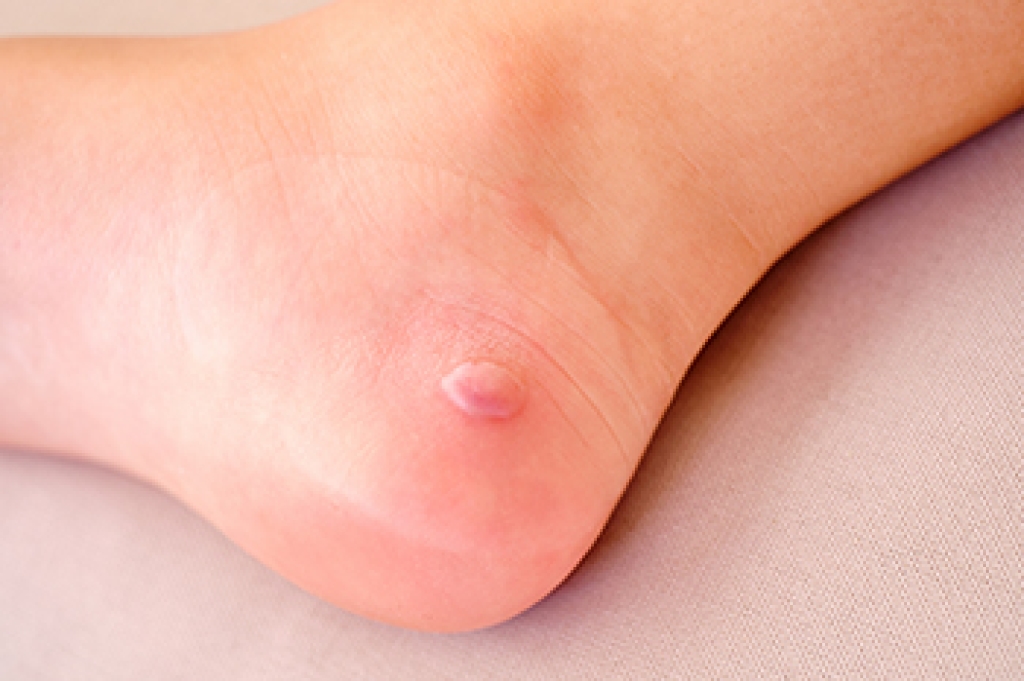
Pressure sores on the feet develop when prolonged pressure restricts blood flow, causing tissue breakdown and open wounds. They are more likely in people with limited mobility, diabetes, or poor circulation, as the heel, ankle, and ball of the foot are frequent points of stress. Preventive measures focus on reducing pressure and friction on these areas. This includes using properly fitting shoes that provide adequate support, avoiding prolonged pressure from tight straps or flip-flops, and protecting bony prominences of the feet with cushioning materials. Podiatrists often recommend devices that redistribute weight across the sole, lowering the risk of ulcer formation. They also check for early warning signs such as redness, skin thinning, or changes in sensation, which signal developing sores. In advanced cases, untreated pressure sores can lead to infection, difficulty walking, or even limb loss if surgery becomes necessary. If you have developed pressure sores, it is suggested that you make an appointment with a podiatrist for an exam and treatment.

Wound care is an important part in dealing with diabetes. If you have diabetes and a foot wound or would like more information about wound care for diabetics, consult with one of our podiatrists from Boca Raton Podiatry . Our doctors will assess your condition and provide you with quality foot and ankle treatment.

What Is Wound Care?

Wound care is the practice of taking proper care of a wound. This can range from the smallest to the largest of wounds. While everyone can benefit from proper wound care, it is much more important for diabetics. Diabetics often suffer from poor blood circulation which causes wounds to heal much slower than they would in a non-diabetic. 

What Is the Importance of Wound Care?

While it may not seem apparent with small ulcers on the foot, for diabetics, any size ulcer can become infected. Diabetics often also suffer from neuropathy, or nerve loss. This means they might not even feel when they have an ulcer on their foot. If the wound becomes severely infected, amputation may be necessary. Therefore, it is of the upmost importance to properly care for any and all foot wounds.

How to Care for Wounds

The best way to care for foot wounds is to prevent them. For diabetics, this means daily inspections of the feet for any signs of abnormalities or ulcers. It is also recommended to see a podiatrist several times a year for a foot inspection. If you do have an ulcer, run the wound under water to clear dirt from the wound; then apply antibiotic ointment to the wound and cover with a bandage. Bandages should be changed daily and keeping pressure off the wound is smart. It is advised to see a podiatrist, who can keep an eye on it.

If you have any questions please contact our office located in Boca Raton, FL . We offer the newest diagnostic and treatment technologies for all your foot and ankle needs.

Read more about Wound Care

Connect With Us